Table of Contents
- Introduction
- 1. Cost of living: rent, utilities, and everyday expenses
- 2. Population and demographics
- 3. Safety and crime
- 4. Access to nature and outdoor recreation
- 5. Education: schools and colleges
- 6. Local cuisine and dining
- 7. People and community vibe
- Making the right choice for you
- Practical moving tips
- FAQ
- Final thoughts
Introduction
If you are weighing life in Lubbock, Amarillo, or Midland, you are sitting at an interesting crossroads of West Texas culture, cost, and opportunity. These three cities may all get lumped together as "West Texas," but each one has its own personality: Lubbock with its college-town energy, Amarillo with wide skies and canyon access, and Midland with its oil-driven pace. Here I break down what matters most when deciding where to live: cost of living, population and demographics, crime, outdoor life, education, food, community vibe, and practical tips for making your move. This is written straight—no fluff—with the kind of Texas candor you can expect when people genuinely love where they live.
- Lubbock- College-driven, growing, diverse dining scene, mid-range cost of living.
- Amarillo- Lower cost of living, proximity to Palo Duro Canyon, strong barbecue and steak culture.
- Midland- Higher rents, oil industry center, faster pace and boom-bust economy.
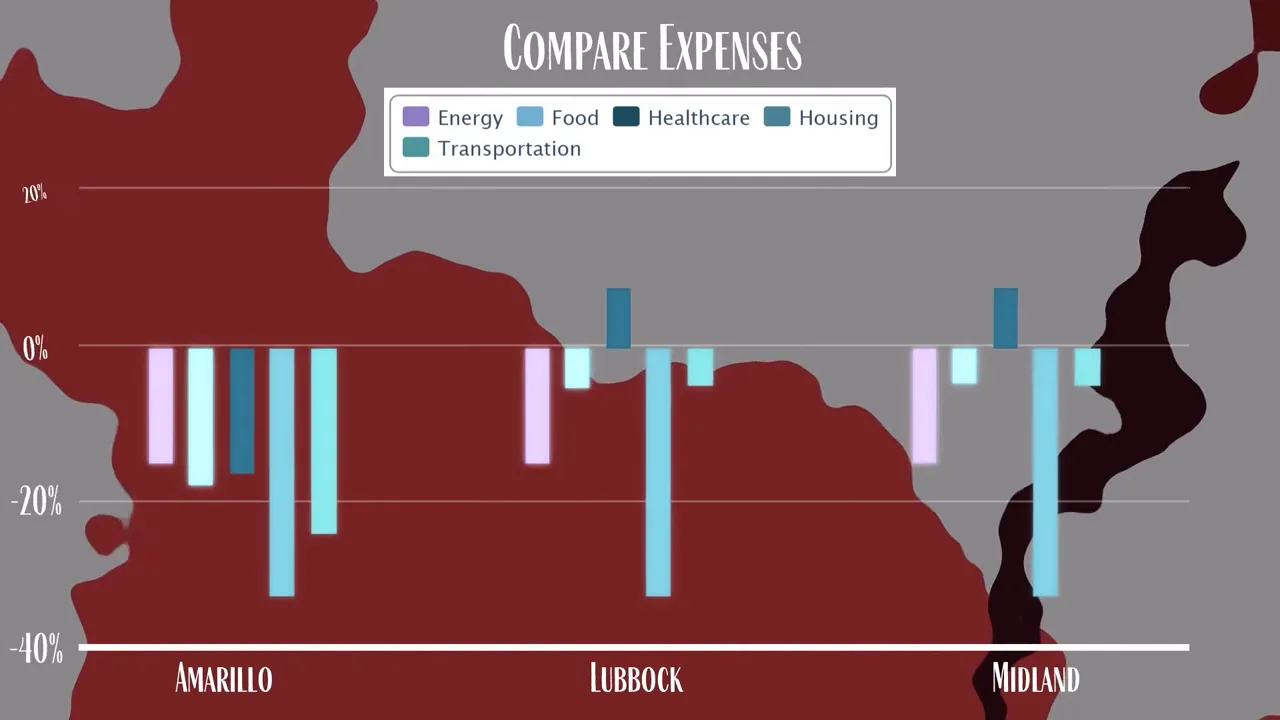
1. Cost of living: rent, utilities, and everyday expenses
Cost of living is often the first deciding factor. Numbers change over time, but recent local metrics give a useful comparison.
- Amarillo: Cost of living sits roughly 10 to 12 percent below the national average. Average monthly rent hovers around $950. Typical energy bills range from roughly $160 to $200. Dentist visits and gas tend to be affordable compared with major metro areas.
- Lubbock: Average rent sits a bit higher, around $1,119 per month, and median home prices commonly fall in the $300k to $350k range. Energy costs are generally between $147 and $180 with multiple electric providers now competing for customers.
- Midland: The most expensive of the three for renters, with average monthly rent around $1,500 and home prices closer to $368k. Expect higher living expenses tied to the oil economy and local demand.
Local prices for groceries, coffee, and daily goods have risen across the country, and these cities are no exception. In practical terms, Amarillo offers the most affordable baseline. Lubbock provides a balance of affordability and amenities. Midland demands a premium, particularly during oil booms.
2. Population and demographics
People shape a city. The numbers below show scale and the kind of energy each place brings.
- Amarillo: Approximately 200,000 people in the metro area recorded by the 2020 census. A solid mix of households and families keeps community life steady and familiar.
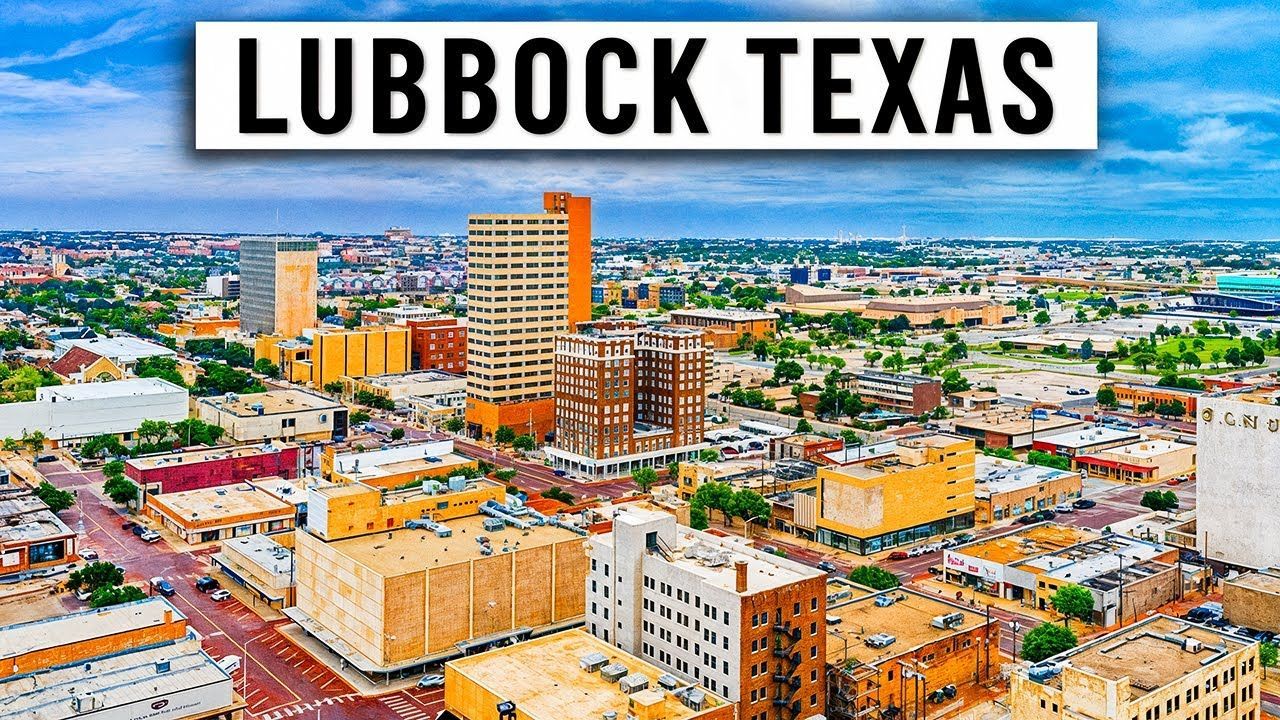
- Lubbock: Lubbock proper sits around 263,000 and that count does not always include the nearby 15 to 20 minute towns and suburbs. Count those in, and you are looking at closer to 300k to 350k in the broader region. Lubbock benefits from a younger population who come for university life and often stay.
- Midland: Smaller than the other two with roughly 132,000 residents, but notable for rapid growth: in 2014 Midland ranked as one of the fastest growing small cities in the U.S.
Demographically, all three cities are culturally mixed enough that newcomers generally find a place to fit in. Lubbock carries a strong college-town vibe because of the large presence of Texas Tech, which feeds a steady stream of younger residents and cultural activity.
Jobs and the economy: what drives each city
Economies vary sharply from education-driven to energy-driven.
- Lubbock: Anchored by Texas Tech and related health, education, and service sectors. The university brings sports, arts, and research jobs that diversify the local economy.
- Amarillo: A mix of agriculture, healthcare, retail, and regional services. Lower cost of living helps small business and regional employers.
- Midland: The oil industry dominates. Midland sits in the Permian Basin and thrives when oil prices are high. Jobs and local fortunes can swing with commodity cycles, and many residents commute from neighboring cities for oilfield work.
Midland’s oil-driven economy can be powerful but cyclic. For people seeking steady, diversified employment, Lubbock and Amarillo often offer more consistency.
3. Safety and crime
Crime statistics are blunt instruments. They show trends but not the nuance of neighborhood-level safety. Still, consider the following:
- Amarillo: A higher crime index with a rate around 42 per 1,000 residents. The chance of a property crime can be about 1 in 29. These figures point to areas where caution and local knowledge matter.
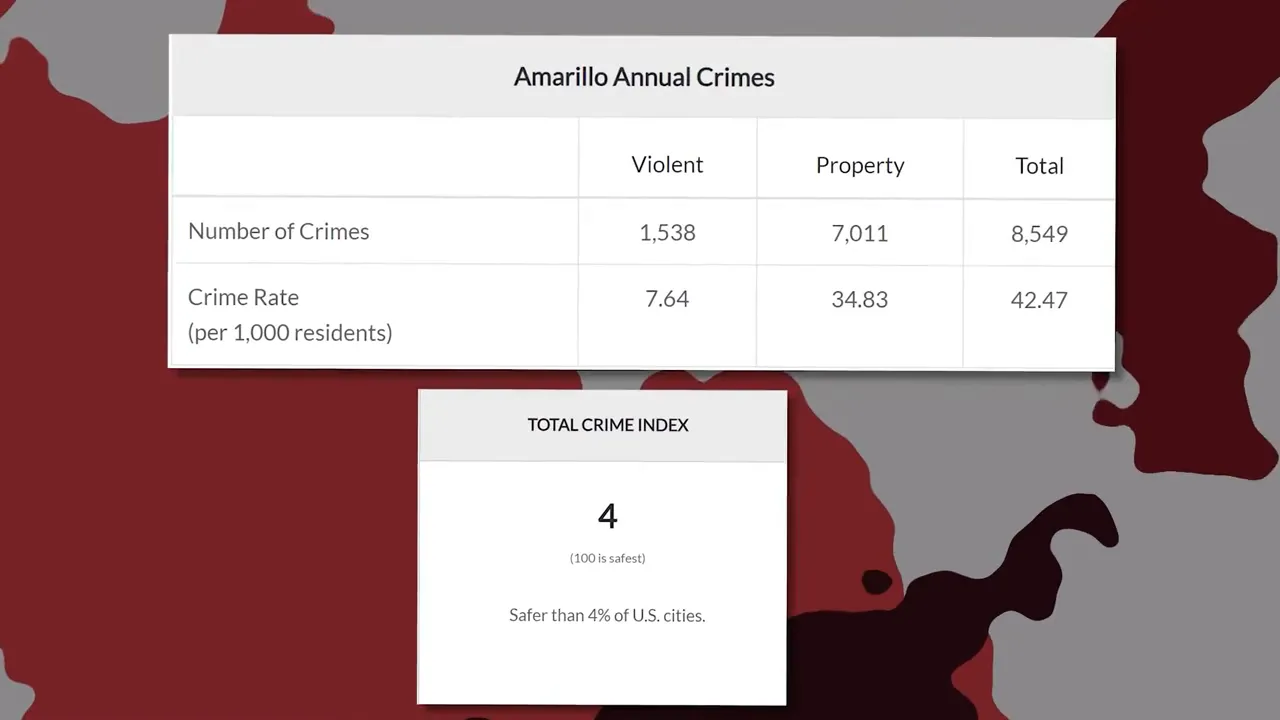
- Lubbock: Slightly higher property crime rates compared with Amarillo in some measures, with one reported metric putting the property crime rate around 43 per 1,000 residents or about 1 in 24. Again, crime tends to concentrate in specific neighborhoods rather than citywide.
- Midland: Lower than Amarillo and Lubbock on some national metrics, around 23 per 1,000 residents, which is closer to average for communities of its size.
Practical takeaway: research neighborhoods before you commit. Crime statistics help, but local real estate professionals and neighborhood groups offer detailed insight. Not all parts of a city share the same risk profile.
4. Access to nature and outdoor recreation
West Texas is not about emerald lakes and dense forests, but it has its own dramatic beauty and outdoor culture.
- Amarillo: Close to Palo Duro Canyon, the second largest canyon in the U.S. This is a major draw for hiking, mountain biking, camping, and scenic views. Parks like Thompson Park and nearby Buffalo Springs Lake give options for boating and fishing.
- Lubbock: Smaller lakes and regional outdoor spots are available. The local scene includes hunting tradition and low-key outdoor activities that suit families and weekend adventurers.
- Midland: Lacks large natural monuments but offers quality parks, Hogan Park, and wildlife preserves. Local culture often centers on hunting, birding, and the type of outdoor life that blends work and play for residents who like guns, beer, and the open country.
Outdoor life here is practical, not picture-perfect postcard tourism. Folks make their own fun: weekend ranch trips, hunting, boating at small lakes, or exploring canyons when possible.
5. Education: schools and colleges
For families and students, the presence of universities and school systems matters.
- Lubbock: Home to Texas Tech University, and several other colleges and universities in the area. The university shapes the cultural calendar, sports loyalty, and economic base. Multiple school districts and growing educational infrastructure support families.
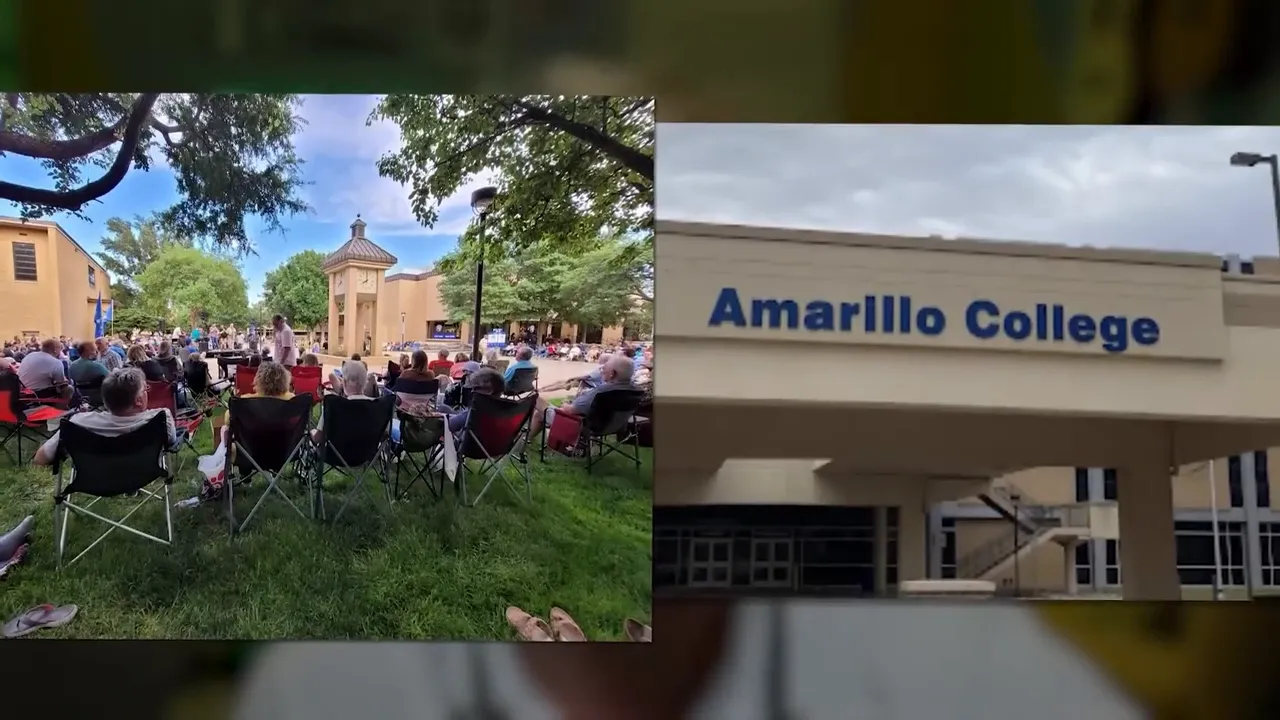
- Amarillo: Served by Amarillo Independent School District and Amarillo College. Solid community college access and public schools across the city.
- Midland: Midland Independent School District and Midland College serve the city. Midland College provides vocational and degree pathways tailored to local economic needs.
If higher education and the energy of a young population matter to you, Lubbock stands out. For career training tied to industry, Midland College aligns with the oil-based economy.
6. Local cuisine and dining
Food says a lot about a place. Beef is king across these parts of Texas, but each city brings flavors of its own.
- Amarillo: Known for hearty steaks and classic Texas barbecue. Look for steak challenges and legendary joints that have appeared on national food shows.
- Lubbock: Surprisingly diverse for its size. From top-tier Thai at small family-run spots to African cuisine and beloved burger joints. Favorites include Blue Sky Burgers and Capital Pizza, plus recent gems like Dirk's Chicken downtown for rotisserie and Southern sides. Expect a lively and growing food scene.
- Midland: Smaller but increasingly interesting. Options include the Garlic Press, Opal's Table, Murray’s, and the Patio Drafthouse. Worth exploring if you find yourself in town.
Local food culture is friendly and approachable. You will find both comfort classics and surprising world flavors, especially in Lubbock.
7. People and community vibe
All three cities are known for Southern hospitality, but each carries a distinct community personality.
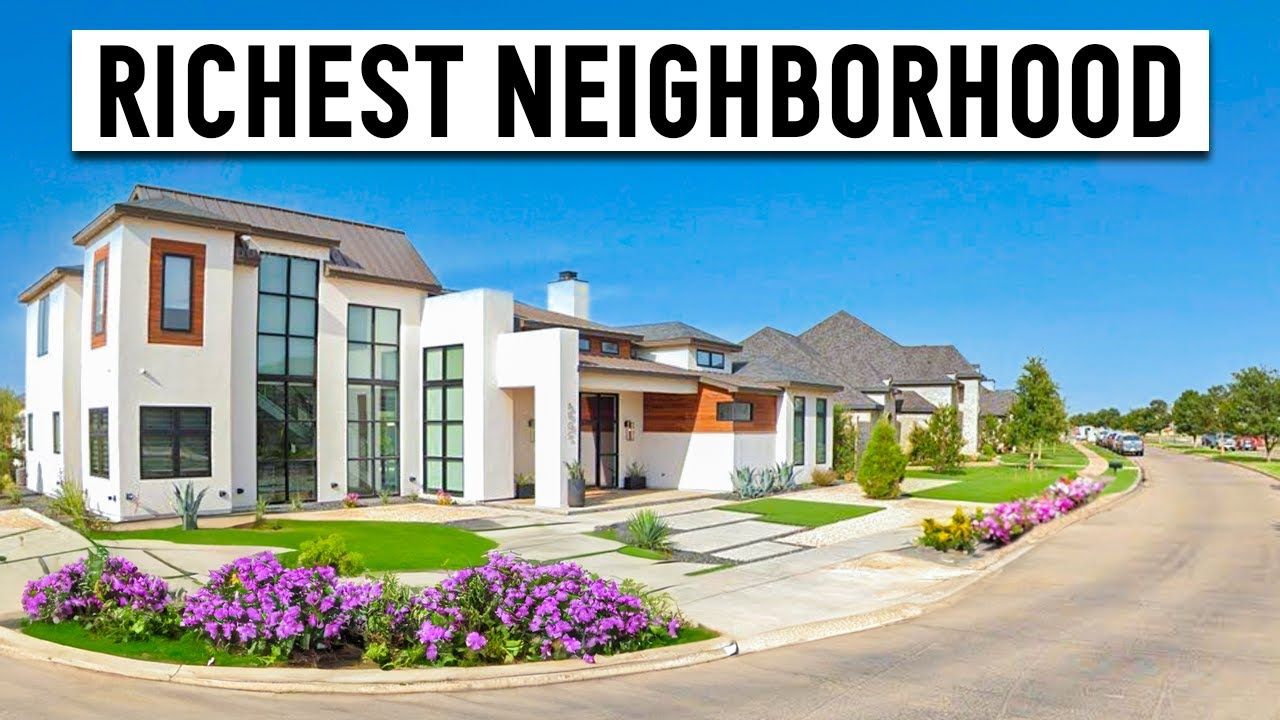
- Lubbock: Youthful and energetic because of Texas Tech. The arts and sports scene keeps things lively. There are neighborhoods and newer developments that are actively reinventing parts of the city.
- Amarillo: Down-to-earth, friendly, and steady. People are used to helping neighbors and making space for newcomers. The lower cost of living attracts folks looking for stability.
- Midland: Rugged and fast-paced, shaped by oilfield work schedules and the demands of an industry that can be intense. Friendliness is common, but the tone can be more businesslike and hurried than the other two.
As one local put it, "we judge people not on the color of their skin but on the content of their character." That attitude reflects the merit-focused, straight-shooting culture common across these communities.
Making the right choice for you
Here are straightforward ways to decide between these three:
- Prioritize job stability. If you work in oil or oil services and can handle boom-bust cycles, Midland earns points. If you prefer education, healthcare, or a more diversified economy, Lubbock and Amarillo are safer bets.
- Assess cost of living. Amarillo is cheapest overall, Lubbock is mid-range, and Midland is pricier for housing and rent.
- Consider lifestyle. Do you want college-town events and nightlife or a quieter life near natural canyons? Lubbock leans younger and cultural, Amarillo has outdoor jewels, and Midland is fast and transactional.
- Research neighborhoods. Crime and quality of life vary block by block. Talk to local real estate agents, community groups, and neighbors.
Practical moving tips
- Visit in different seasons. Hot summers can feel intense; spring and fall are generally the most pleasant.
- Talk to locals at coffee shops and community centers to get real-life impressions of safety, schools, and services.
- If you plan to commute to oilfields or regional hubs, check drive times and road conditions during rush and non-rush hours.
- Get a local real estate pro who knows neighborhoods and schools. Local agents provide value beyond listings; they can point to hidden gems.
FAQ
Which city has the lowest cost of living?
Amarillo generally has the lowest baseline cost of living among the three, with rents near $950 per month on average and utility costs that tend to be below the national median.
Which city is best for jobs in oil and energy?
Midland is the center of the oil industry in this region. If you work in oil, drilling, or oilfield services, Midland and the surrounding Permian Basin offer the most direct opportunities, but expect income volatility tied to oil prices.
Is Lubbock a good place for young professionals?
Yes. Because of Texas Tech University and a growing local economy, Lubbock has a youthful population, more nightlife and cultural events, and a broader mix of industries that attract young professionals.
How safe are these cities?
Crime rates vary by neighborhood. Metro-level statistics show higher property crime rates in Lubbock and Amarillo compared with Midland on some metrics. The best approach is to review neighborhood-level data and consult locals for the most accurate perspective.
What outdoor activities can I expect?
Amarillo gives you access to Palo Duro Canyon for hiking, camping, and spectacular scenery. Lubbock and Midland offer parks, wildlife areas, and regional lakes suitable for fishing and boating. Hunting and outdoor country activities are common across the region.
Which city has the best dining scene?
Lubbock has the most diverse dining scene with standout Thai, African, excellent burgers, and favorite pizza spots. Amarillo excels at steak and barbecue. Midland is smaller but has several notable restaurants worth checking out.
Final thoughts
All three cities offer something real and valuable. Amarillo rewards budget-conscious buyers and outdoor lovers. Lubbock combines the energy of a major university with a growing cultural and dining scene. Midland delivers higher wages and an economy tied to oil, which can be lucrative and volatile.
Which is right depends on your priorities: affordability and canyon country, college-town amenities and a younger vibe, or oil-driven paychecks and a fast-paced business culture. Spend time in each place, talk to folks who live and work there, and weigh neighborhood-level details before you sign anything. West Texas is big, bold, and honest. If you bring good character and a bit of curiosity, you will fit in just fine.