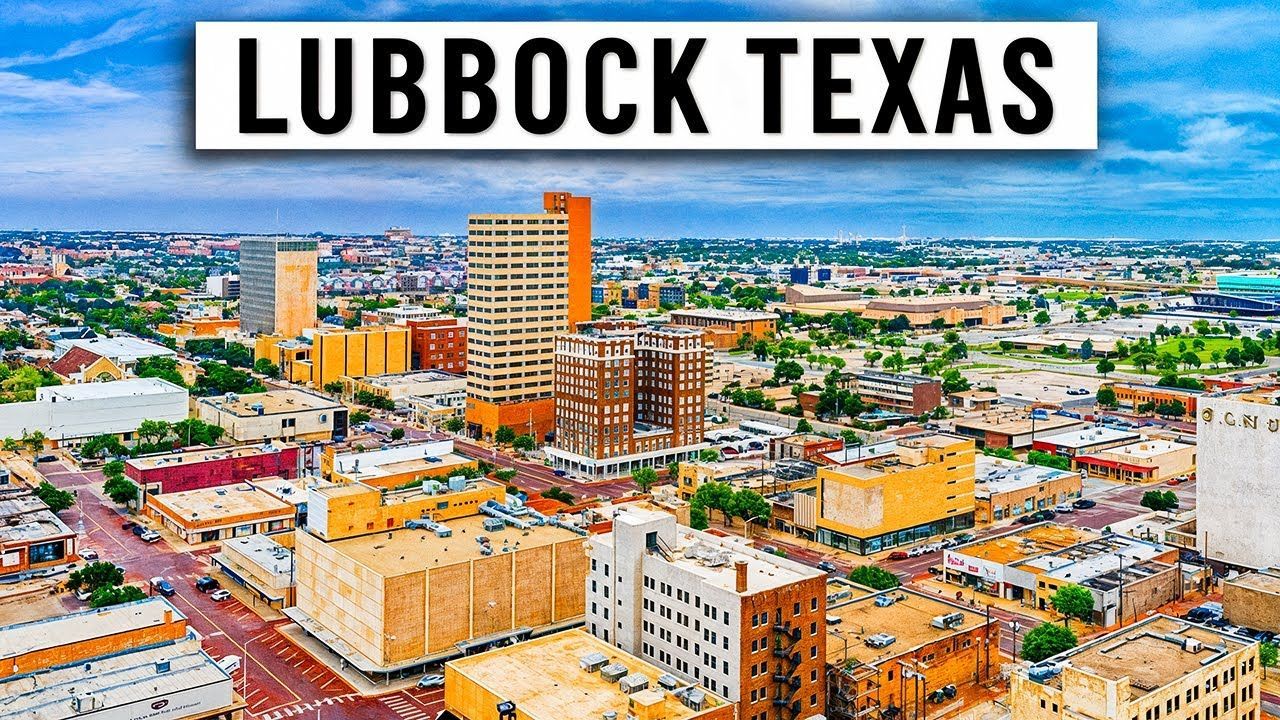
If you are seriously considering moving to Lubbock, TX, congratulations — you are asking the right questions. Lubbock is a great place for a lot of people, but it is not for everyone. Below I break down 13 real reasons someone might decide not to relocate here. These are practical, sometimes blunt, observations based on local data, lived experience, and conversations with newcomers. If you plan on moving to Lubbock, TX, read this first so you know what you’re signing up for.
Table of Contents
- Overview: How to use this list
- 1. The weather gets intense
- 2. Culture and entertainment can feel limited
- 3. Crime and vehicle theft are considerations
- 4. Healthcare has strengths and weaknesses
- 5. Public transportation and parking
- 6. Pollution and air quality concerns
- 7. Allergies and dry air
- 8. Limited green space in some areas
- 9. Water supply and the Ogallala Aquifer
- 10. The political climate is conservative
- 11. Education has bright spots and gaps
- 12. Geographic isolation and travel logistics
- 13. Social issues, poverty, and civic tension
- Balancing the negatives with the positives
- Practical checklist before moving to Lubbock, TX
- FAQ
- Final thoughts
Overview
This article lists 13 potential deal-breakers for people who are thinking about moving to Lubbock, TX. Each section explains the issue, what it feels like day-to-day, and how much it should affect your decision. Some items are subjective — like entertainment and culture — while others are hard numbers, like crime rates and water supply trends. Use the sections that matter most to you to guide a neighborhood search, housing budget, or lifestyle choice.
1. The weather gets intense
If heat, dust, and wind are things you avoid, moving to Lubbock, TX may not be your best idea. Average summer temperatures sit near the high 80s to low 90s Fahrenheit, and triple digits are common. The High Plains climate also brings strong winds — I have personally felt storms with gusts that make any outdoor plan impossible. Haboobs or dust storms happen when the wind kicks up loose topsoil, and dry air in winter can surprise visitors who expect humidity.
On top of heat and dust, tornadoes are in the region’s toolbox. Major destructive tornadoes are rare, but the possibility is always on the weather radar. If you are nervous about extreme weather, make that a big part of your decision when moving to Lubbock, TX.
2. Culture and entertainment can feel limited
Lubbock has been labeled “boring” in some polls, and whether that bothers you depends on what you crave. If you want a nonstop nightlife scene with dozens of galleries and music venues, moving to Lubbock, TX may require adjusting expectations. By some measures, Lubbock ranks lower on arts and music venues per capita than other Texas cities.
That said, the city punches above its weight in local culture: smaller theaters, live music spots, and the Buddy Holly Performing Arts Center all provide real value. Outdoor recreation, shooting ranges, and community events fill weekends. If your idea of an engaging life includes smaller venues, community concerts, or college-town energy, moving to Lubbock, TX might still be appealing.
3. Crime and vehicle theft are considerations
Crime statistics are not the headline you want to ignore. Lubbock’s overall crime rate is higher than the national average. Some neighborhoods and newer developments remain relatively insulated from property crime, but certain problems are citywide. Motor vehicle theft is one notable concern — the odds of a car being stolen here are higher than in many other places.

Practical advice: if you are moving to Lubbock, TX, research neighborhoods carefully, lock your vehicle, and avoid leaving keys or valuables in plain sight. Many locals take common-sense precautions and still enjoy excellent quality of life.
4. Healthcare has strengths and weaknesses
Lubbock County has a mixed healthcare picture. On one hand, primary care physician availability is better than the Texas average, which is reassuring for families and retirees. On the other hand, public health statistics show higher rates of certain STDs and a higher diabetes mortality rate compared to statewide figures. If healthcare access or public health outcomes are pivotal for your move, place this high on your checklist when moving to Lubbock, TX.
What this means practically: hospitals and clinics exist and are staffed, but you should verify specialists, treatment options, and preventive care services relevant to your needs before you relocate.
5. Public transportation and parking
Lubbock is a car town. The average household has about two cars, and beyond the university area, public transit options are limited compared to larger urban centers. If you are used to subways or dense bus networks, consider whether you want to adapt to driving locally.
Event parking can be a pain: think of major football games and crowded downtown events. If the idea of planning logistics for every big outing sounds annoying, factor that in when moving to Lubbock, TX.
6. Pollution and air quality concerns
Lubbock is not Los Angeles, but there are local pollution issues tied to diesel and gas emissions, agricultural activity, and industrial sources. Recent water reports show arsenic levels within safe limits but worth noting for those with health sensitivities.
If you or someone in your household has respiratory problems, evaluate the air quality trends in the neighborhoods you are considering. Moving to Lubbock, TX means paying attention to seasonal patterns that can raise asthma-related hospitalizations in certain parts of the city.
7. Allergies and dry air
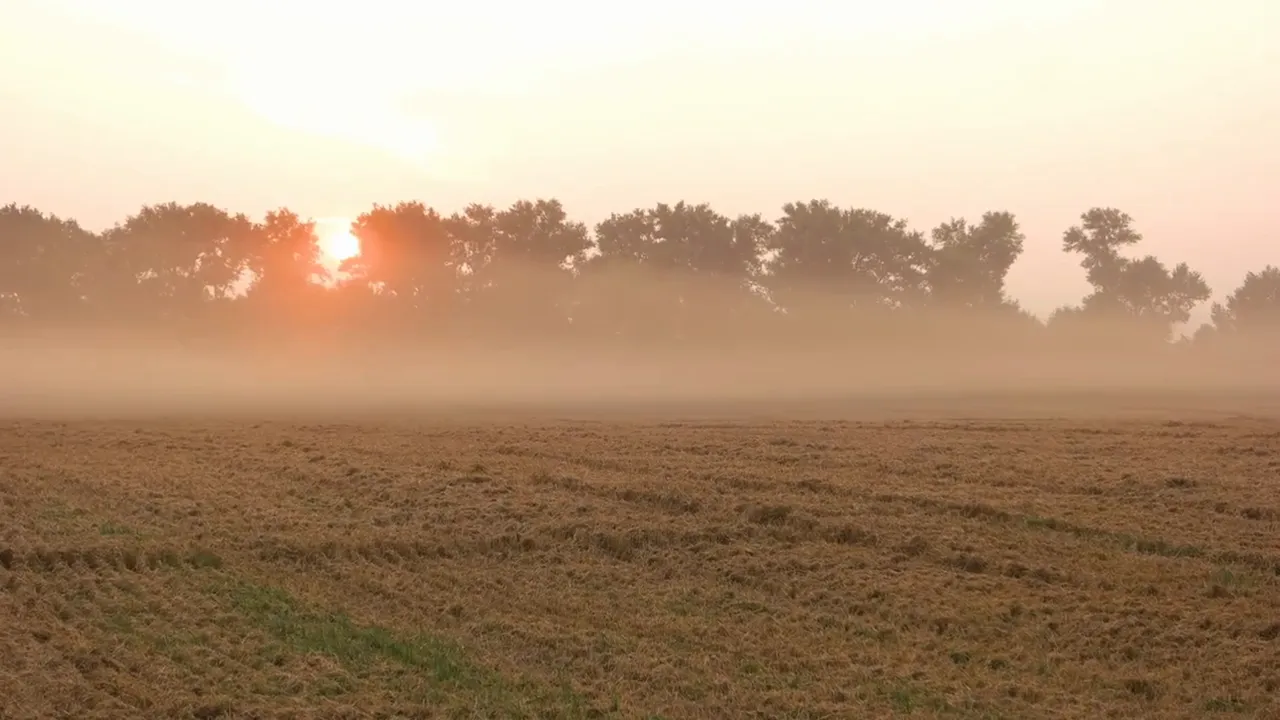
Allergy season can be brutal. Flat terrain and windy conditions stir up dust, ragweed, and other allergens, sending them across town. Dry winter air can also aggravate throats and sinuses for newcomers.
If you have severe seasonal allergies, consult a local allergist and plan visits or trials before committing to moving to Lubbock, TX.
8. Limited green space in some areas
Lubbock’s landscape is mostly flat plains and farmland. While parks exist and the Parks and Recreation Department has a 20-year master plan for new playgrounds, trails, and splash pads, green connectivity can feel spotty depending on the neighborhood.

Those who love dense, tree-filled urban parks might find fewer options here. If immediate access to large, mature green spaces matters to you, consider where to live before moving to Lubbock, TX.
9. Water supply and the Ogallala Aquifer
Water is a long-term concern in this region. The Ogallala Aquifer, which supports agriculture and communities across the High Plains, has seen consistent declines. That raises questions about irrigation, water conservation policies, and the cost of water infrastructure over time. It is a regional challenge — not unique to Lubbock — but it should influence decisions about development and landscaping preferences when moving to Lubbock, TX.
If you plan to install large lawns, plant water-intensive landscaping, or rely on agriculture, factor in potential water use restrictions and future costs.
10. The political climate is conservative
Lubbock is politically conservative. For some people that is a draw; for others it is a deterrent. Local ordinances and the voting record show conservative leanings, and that influences city policy, social services, and community priorities.
If public policy alignment or cultural climate is important to you, investigate civic leadership, recent ballot measures, and local advocacy groups before moving to Lubbock, TX.
11. Education has bright spots and gaps
School performance and teacher compensation vary. Some local public schools post average SAT scores below national averages, and teacher pay sits below the state average in many cases. At the same time, higher education here is a major asset: Texas Tech University and other institutions produce notable alumni and cultural activity.
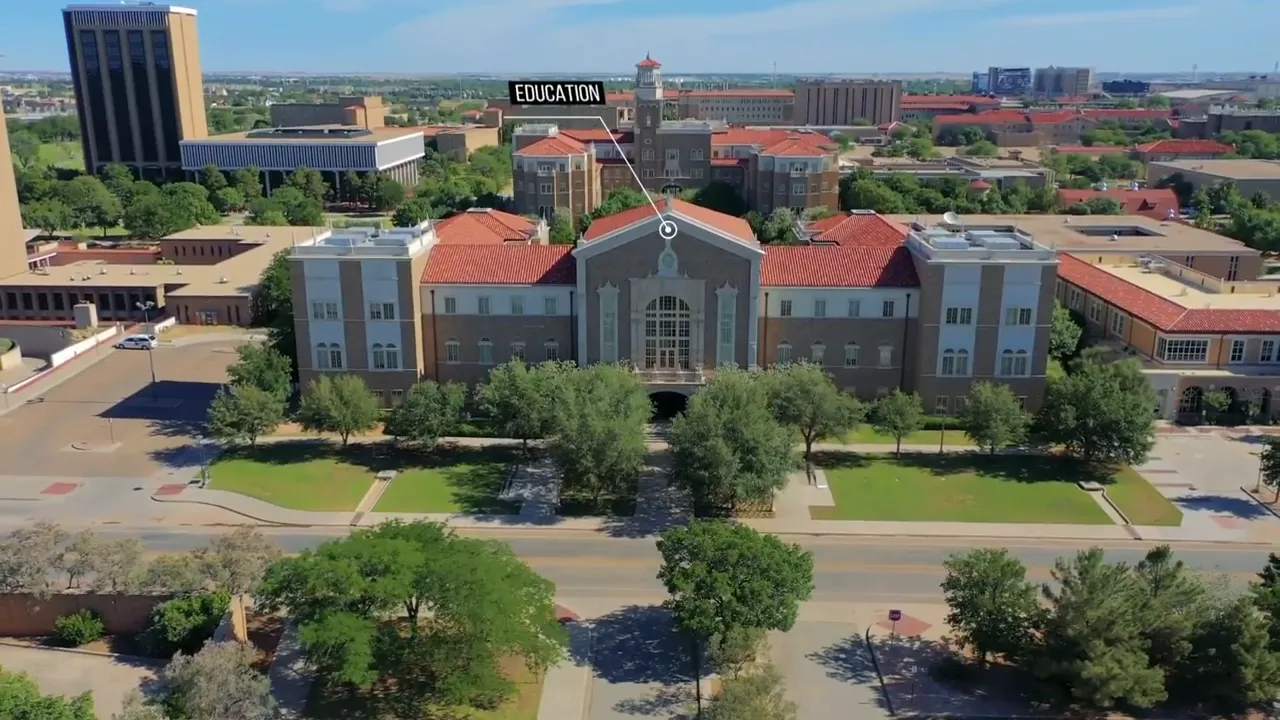
If university-driven culture and research, or access to college-level programs matter to you, those are strengths. If K-12 quality is a top priority, drill down into specific districts and schools when planning a move to Lubbock, TX.
12. Geographic isolation and travel logistics
Lubbock sits on the western edge of the state and can feel remote. The nearest major city, Dallas, is over three hundred miles away. The local airport has limited nonstop options, and the city relies primarily on Interstate 27 for major highway access.
If frequent direct flights or quick drives to big-city amenities are essential, that affects whether you choose moving to Lubbock, TX. For many, the trade-off is a lower cost of living and quieter lifestyle in exchange for distance to big hubs.
13. Social issues, poverty, and civic tension
Like many cities, Lubbock faces social challenges, including a higher-than-average poverty rate. This can fuel civil unrest and concentrated social services needs, particularly around campus and downtown. Community organizations and city initiatives are actively working on solutions, but these issues affect daily life for residents and newcomers alike.
If social equity, volunteering, or civic engagement matter to you, those realities might be part of why you consider or reconsider moving to Lubbock, TX.
Balancing the negatives with the positives
This list does not mean you should not move to Lubbock. Rather, it helps you make an informed choice. Lubbock offers lower housing costs than many parts of Texas, a strong university presence, friendly neighborhoods, and a real sense of community for many residents. If you are careful about neighborhood choice, realistic about weather, and prepared for some trade-offs, living here can be excellent.
If you are serious about moving to Lubbock, TX, think about your must-haves: climate tolerance, school priorities, commute and travel needs, healthcare requirements, and how much cultural density you want. Use those priorities to target neighborhoods and property types.
Practical checklist before moving to Lubbock, TX
- Visit in multiple seasons to see heat, wind, and allergy patterns.
- Research neighborhoods for crime trends and vehicle theft rates.
- Meet with healthcare providers if you have ongoing medical needs.
- Plan transportation — will you rely on a car or live near campus transit?
- Evaluate schools at the district and campus level.
- Assess water and landscaping plans with conservation in mind.
- Speak with locals — neighbors, community groups, and business owners give the best perspective.
FAQ
Is the heat in Lubbock unbearable year-round?
Summers in Lubbock are hot, with average highs in the high 80s to low 90s and frequent days above 100. That heat is dry rather than humid, which many people find more tolerable, but if you dislike intense sun and heat, take this seriously before moving to Lubbock, TX.
How bad is vehicle theft in Lubbock?
Vehicle theft rates are higher here than in many other places. Simple precautions like locking doors, removing valuables, and not leaving keys inside cars minimize risk. Neighborhood choice also affects these odds if you plan on moving to Lubbock, TX
Are there good schools and universities?
Texas Tech University is a major asset with strong programs and cultural contributions. K-12 quality varies by district. Look up specific schools and talk with local parents to get a realistic picture if education is a key reason for moving to Lubbock, TX.
Is public transportation usable if I don’t want to drive?
Public transit is strongest around the university. Outside of that, most residents rely on cars. If you want to limit driving after moving to Lubbock, TX, choose housing close to campus or downtown where bus routes are more frequent.
Should I be worried about long-term water availability?
The Ogallala Aquifer has experienced declines, making water conservation a long-term concern. While not an immediate crisis for most households, landscaping choices and agricultural use are impacted, so factor water into planning when moving to Lubbock, TX.
Does Lubbock have a vibrant arts and music scene?
Yes and no. If you want a bustling metropolitan arts scene with dozens of museums and venues, you may find it limited. But Lubbock has excellent local music venues, theaters, and community arts that make for rich cultural experiences, especially for those who enjoy college-town energy after moving to Lubbock, TX.
Is Lubbock affordable compared to Dallas or Austin?
Generally yes. Housing and many living costs tend to be lower than in larger Texas metros. That affordability is one of the reasons many people consider moving to Lubbock, TX despite some of the trade-offs listed above.
Final thoughts
Choosing where to live comes down to priorities. If you value affordability, a strong university presence, and a close-knit sense of community, moving to Lubbock, TX can be an excellent choice. If extreme weather, certain public health statistics, or the need for dense cultural offerings are deal breakers, you may decide to look elsewhere.
Either way, being informed is the best way to make the right move. Use this guide as a starting point, visit neighborhoods, talk to locals, and align your expectations. If you go into it eyes open, Lubbock has a lot to offer.